

You Cannot Follow What You Cannot See
Making disciples is more caught than taught with someone a step or two ahead.

Jesus did not save people from a distance. He came near.
That should shape how we think about disciple-making. Withness is not just a helpful method. It grows out of the gospel itself. Jesus is Immanuel, God with us. He did not just teach truth. He embodied it in ordinary life.
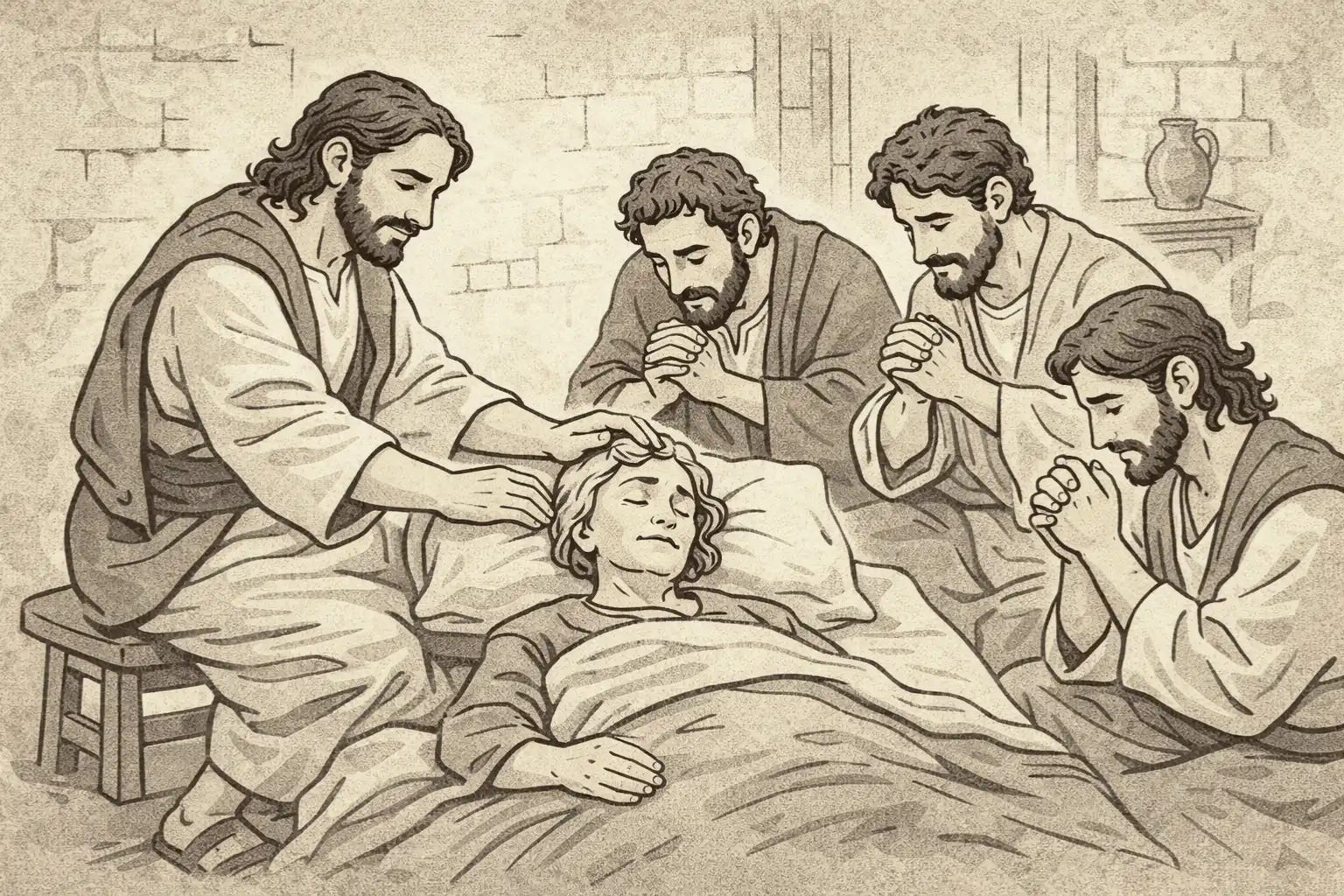
When Jesus called disciples, he did not say, “Master this content first.” He said, “Follow me.” Come close. Watch my life. Learn the kingdom in motion.
That matters because a lot of what we want to pass on does not transfer well through explanation alone. You can explain prayer, evangelism, or simple church. But seeing someone obey Jesus in a real moment does something different.
A lot of believers are not blocked by rebellion. They are blocked by fog. They cannot picture what obedience looks like in normal life, so it stays abstract. They agree with it. They admire it. But they do not reproduce it.
That is why this line matters: you cannot follow what you cannot see.
With Him, Then Sent
Mark 3:14 gives the pattern in one line.
Jesus appointed twelve that they might be with him and that he might send them out.
Both matter. Nearness matters. Sending matters. The goal was never to keep people close forever. The goal was fruitful obedience.
That is the tension we usually miss. Some people are kept close too long and never act. Others are sent too fast and have no pattern to build from. Jesus does neither. Sometimes the next step is come with me. Sometimes it is go tell what God has done.
Jesus is not trapped in one lane. He gives people the next act of obedience that fits the moment.
More Than Content
The issue is not that teaching is bad. It is that content alone cannot create courage.
Many believers can explain disciple-making better than they can practice it in a real conversation. Often what they need is simple: exposure, a chance to obey, and space to debrief.
See it. Obey it. Debrief it. Repeat it.
That rhythm builds clarity. It builds courage. It helps normal people believe they can actually do this.

What We Saw in New York
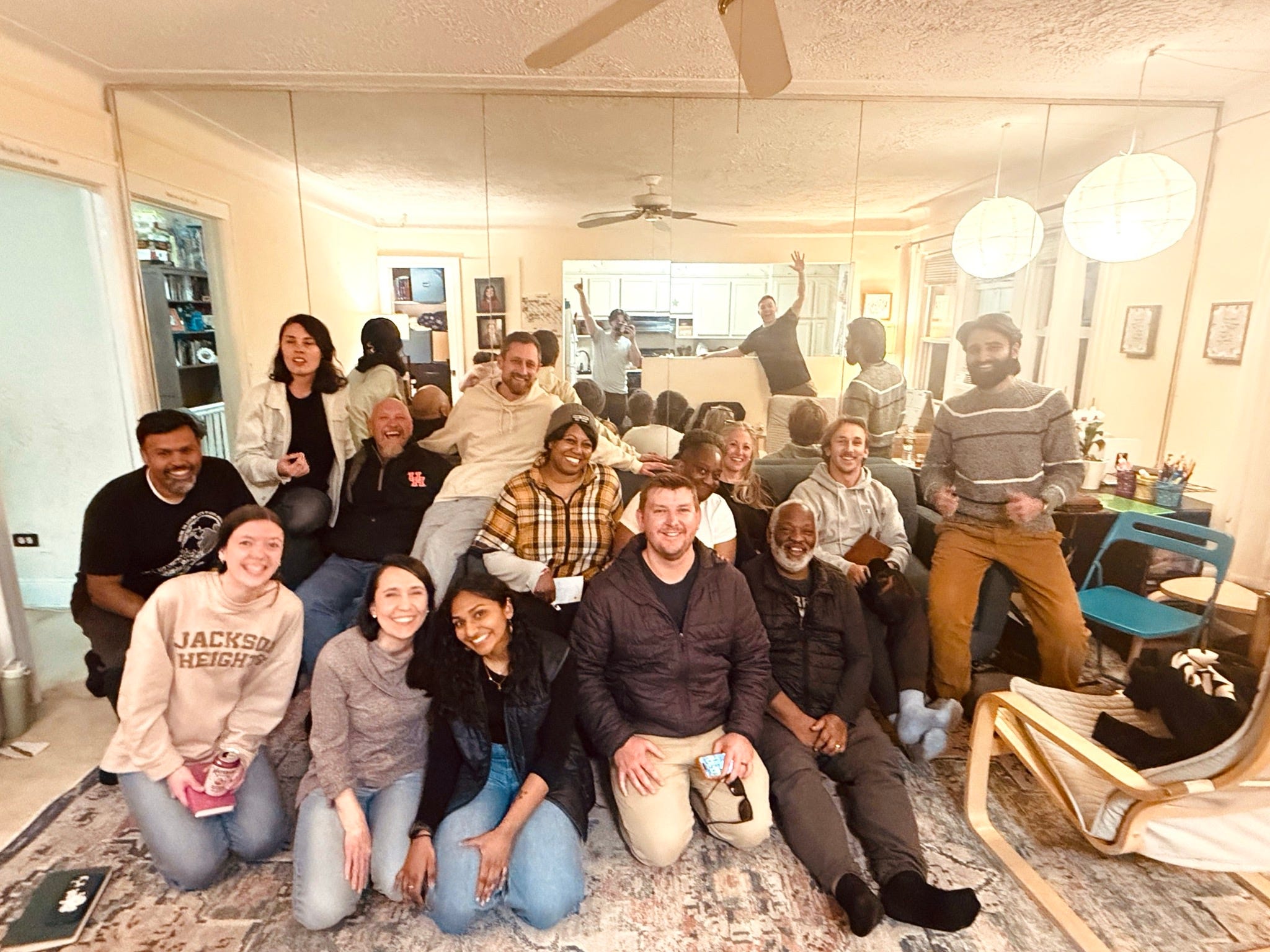
That is what we saw last week in New York.


We were not trying to impress people with a model. We were trying to make the life visible. Coffee shops, neighborhoods, simple church, prayer, conversation, shared meals, real people. Not polished. Not staged. Just ordinary obedience in plain sight.
By day 2, people were not mainly asking if they could do this. They were doing it.


That is what withness can do. Visibility creates clarity, and clarity builds courage. When people can picture themselves doing it, it starts to feel possible.


Three days. Real conversations. Real ministry. Real stories.
Withness Is Not the End
Still, withness cannot be the finish line.
At some point, somebody has to pray without you. Somebody has to open the Word without you. Somebody has to gather people without you there. If withness does not lead to action, it has stalled out.
The point is not to keep disciples orbiting a trainer forever. The point is to release them into fruitful obedience.
So bring people close. Let them see your life. Let them try. Debrief. Then send them again.
People need more than explanation. They need exposure. They need a chance to obey.
That is why withness matters. And that is why the goal is not closeness for its own sake. The goal is disciples who can obey Jesus and help others do the same.
Start here → https://obey.tools/
Join a 45 Min Skills Lab Zoom Call → https://covomultipliers.com/
Walk with others → https://forms.gle/YwqLhonNSipybAD8A
Could you share what the 5 step healing model is?
Grateful for the fruit you saw and the lives touched. May we all learn to be more intentional about our faith and not just lip service or head knowledge.